
Cold chains protect temperature-sensitive products from the moment they leave controlled storage until they reach the point of use. In Singapore, that matters for vaccines, insulin, blood products, laboratory specimens, speciality foods, and many other items that depend on stable temperatures. When a power outage or equipment breakdown interrupts the chain, the immediate concern is not only product loss, but also safety, compliance, and continuity of care or operations. A poorly handled incident can lead to spoiled stock, disrupted services, and avoidable waste, while a well-prepared response can limit losses and protect public health.
For Singapore households, clinics, pharmacies, hospitals, laboratories, food businesses, and logistics operators, cold chain resilience has become part of everyday risk management. The city state has reliable infrastructure, but no system is immune to localised electrical faults, compressor failures, tripped breakers, maintenance issues, lightning related disruptions, or transport delays. A crisis playbook gives teams a practical, repeatable way to respond when the temperature alarm sounds and the clock starts ticking. It does not replace engineering support or professional advice, but it helps people act calmly, document properly, and make safer decisions in the first critical minutes.
Why cold chain failures need a structured response
Cold chain failures are time sensitive because many products have a narrow temperature range and may become unusable once exposed to conditions outside that range. Some items require refrigeration between 2°C and 8°C, while others must be frozen or kept under even tighter controls. The exact requirements vary by product, manufacturer, and local regulatory requirements, so every site should keep product specific instructions on hand. What matters operationally is that temperature excursions, meaning periods when a product is outside its required range, can happen silently and progress quickly.
A structured response reduces guesswork. Instead of staff opening and closing doors repeatedly, moving stock without a plan, or switching equipment in an ad hoc way, a playbook assigns clear roles and decisions. This is especially useful in Singapore, where many facilities operate in compact spaces, share loading bays, or rely on outsourced logistics. A documented response also supports traceability, which is important for audits, quality systems, and post incident review.
Common causes of cold chain disruptions
Unexpected outages and breakdowns usually arise from a few repeatable causes. Power interruptions can come from building level electrical faults, maintenance work, or local utility interruptions. Equipment failures may involve compressor malfunction, thermostat issues, sensor drift, fan failure, damaged gaskets, or blocked airflow. Human factors also matter, including doors left ajar, overloaded fridges, poor defrost practices, and inadequate maintenance.
For Singapore based operations, humid conditions and frequent door openings in busy settings can increase equipment load. In homes, a shared refrigerator may be opened often, and in retail or food service environments, stock rotation and restocking can introduce additional temperature stress. The response plan should assume that the cause may not be obvious at first, and that decisions must be made before a full technical diagnosis is available.
Building a practical crisis playbook before something goes wrong
The best time to manage a cold chain incident is before it happens. A crisis playbook should be short enough to use under stress, but detailed enough to guide action. It should live where staff can find it quickly, preferably near the cold storage area, in the duty officer folder, and in digital form for after hours access. The purpose is to standardise the first hour, when most preventable mistakes occur.
Core elements every playbook should include
-
Inventory list, with product name, batch or lot number, storage requirement, and expiry date.
-
Temperature acceptance limits, based on manufacturer instructions, internal policies, and regulated requirements where applicable.
-
Key contacts, including maintenance personnel, equipment vendors, supervisors, and if relevant, clinical leads or pharmacists.
-
Backup storage options, such as a secondary refrigerator, portable insulated containers, or an alternate site with validated capacity.
-
Escalation criteria, defining when to quarantine stock, when to transfer items, and when to contact external experts.
-
Documentation templates, for recording time of incident, temperature readings, actions taken, and final disposition of affected items.
In Singapore, organisations should also align the playbook with internal business continuity plans and with product specific controls expected by manufacturers, distributors, or regulated sectors. For healthcare settings, local governance and quality systems should define who can release or discard temperature sensitive stock after an excursion. For food businesses, the plan should reflect food safety requirements and supplier instructions.
Training matters as much as equipment
A playbook is only useful if people know how to use it. Staff should be trained to recognise alarms, preserve the cold environment, and escalate promptly. Training should cover the difference between monitoring a situation and assuming it is safe. It should also teach staff not to rely on guesswork, such as feeling whether a product is still cold by touch, because surface temperature does not reliably indicate whether the entire product remained within range.
Short drills are useful. A team can practise what to do when a refrigerator alarm sounds after hours, or when a freezer stops working during a weekend delivery window. These exercises help identify weak points, such as missing contact numbers, unclear authority to transfer stock, or delays in accessing backup storage.
First actions during a power outage or equipment breakdown
When an incident occurs, the first priority is to protect the contents and gather accurate information. Panic often causes unnecessary door opening, which speeds up temperature rise. A calm, ordered response preserves more value than improvisation. The person first on scene should verify the problem, alert the responsible lead, and begin time stamped documentation immediately.
What to do in the first 15 minutes
First, confirm whether the issue is a power supply problem or an equipment specific failure. If only one unit is affected, check whether it has lost power at the socket or whether the building supply remains active. If the whole area is without power, determine whether emergency systems are functioning and whether backup cold storage is available. In either case, minimise opening the unit unless moving stock is necessary and safe.
Second, check and note the current temperature reading, then record the time. If the equipment has a data logger, preserve the record and do not overwrite or reset it. Third, alert the designated decision maker. In a medical or laboratory environment, that may be a pharmacist, nurse manager, laboratory supervisor, or quality lead. In a food operation, it may be the store manager or compliance officer. Fourth, isolate the affected stock if transfer is not immediately possible, and place a visible hold notice on the unit so no one mistakenly uses the contents.
Do not transfer items blindly into another refrigerator without checking whether that unit is suitable and stable. Backup storage should already be prequalified and temperature monitored. A crowded or warm backup fridge can create a second problem while trying to solve the first.
When to quarantine stock
Quarantine means separating items so they are not used until their safety or suitability is assessed. This is an essential step after a temperature excursion, because appearance alone does not confirm product integrity. The decision to quarantine should be conservative when the temperature history is uncertain, when the outage duration is unknown, or when the product is high risk.
For pharmaceuticals and vaccines, follow the product specific instructions from the manufacturer and the organisation’s approved procedures. For some items, even a brief excursion may require disposal or formal stability review. For food products, if there is any doubt about whether safe temperatures were maintained, segregation and disposal may be necessary depending on the product and duration. Do not re label or repurpose affected stock until the decision has been documented.
Handling temperature excursions safely and scientifically
Temperature excursions are not all identical. Some products may tolerate brief deviations better than others, especially if the excursion is small and the product remained within an acceptable range for most of the time. That said, decisions must be based on evidence, not assumption. The key sources of evidence are recorded temperatures, duration of exposure, product type, packaging, and validated stability guidance from the manufacturer or competent authority.
Why the pattern of exposure matters
A refrigerator that rises from 4°C to 9°C for a short interval presents a different risk from a unit that sits at room temperature for many hours. Likewise, a freezer that is briefly opened may not immediately endanger contents, while a prolonged failure could. The thermal mass of the product, the number of items stored, and whether the door stayed closed all influence how quickly temperatures change. This is why accurate logs are so important. Guessing the duration or severity of exposure can lead to unsafe use or unnecessary disposal.
Singapore facilities that manage regulated products should retain the original temperature data and any incident reports for review. If a qualified person must assess whether stock remains suitable, provide them with complete information, including the exact time the problem was noticed, the last known good temperature, and any transfer steps taken. The more complete the record, the more defensible the decision.
Special considerations for vaccines and medicines
Vaccines and medicines may have product specific storage requirements that cannot be generalized across all items in the same class. Some biologics are particularly sensitive to heat or freezing, and a frozen item that is accidentally thawed may be unusable even if it still feels cold. In a clinical setting, staff should never assume that a product can be returned to use after an excursion without checking official instructions. The safest practice is to segregate the stock, label it clearly, and have it assessed by the responsible professional according to established procedures.
Households storing insulin or other temperature sensitive medicines should also be cautious. If a home refrigerator fails, keep the medicine as close as possible to the manufacturer recommended conditions while arranging a safe transfer. Avoid placing items directly against ice packs unless the product instructions allow it, because freezing can damage some medicines. When in doubt, contact the dispensing pharmacy or prescribing clinic for guidance.
Backup power, alternate storage, and equipment resilience
A crisis playbook is strongest when paired with preventive infrastructure. Businesses and healthcare facilities in Singapore should assess whether their cold storage depends on a single point of failure. A single refrigerator without an alternate power source or validated backup location creates obvious vulnerability. Resilience planning should consider both the probability of failure and the consequences if it happens during a peak operating period, after hours, or on a public holiday.
Engineering and operational safeguards
Useful safeguards include temperature alarms with remote alerts, calibrated sensors, preventive maintenance schedules, and clear service level agreements with vendors. Where appropriate, an uninterruptible power supply may protect monitoring systems, while a generator or alternate power arrangement can support critical equipment. However, backup power is only effective if it is tested. A generator that has not been maintained, fuelled, or load tested may not perform when needed.
Operational resilience also includes simple measures such as avoiding overstocking, maintaining adequate airflow around equipment, and keeping spare seals or replacement parts available for critical units. In Singapore’s dense operating environment, facilities may also need to plan for access issues during heavy rain, lift shutdowns, or after hours restrictions. The playbook should state who has authority to open alternate storage sites and who can authorise emergency transport.
Validated transport and transfer planning
If products must be moved, use containers and transport methods that are suitable for the temperature range and duration of transit. A casual cooler box may not be enough for sensitive medical stock unless it has been validated for that use. Transfer should be rapid, documented, and accompanied by temperature monitoring where required. The receiving site should confirm capacity in advance, because placing stock into an already stressed unit can create a second failure.
For organisations that use outsourced logistics, contracts should specify response times, handover responsibilities, and documentation requirements. A good service provider should help support traceability rather than simply moving boxes from one place to another.
Documentation, communication, and post incident review
After the immediate danger is controlled, the work is not finished. Documentation protects decision making, supports audit trails, and helps teams improve. The incident record should include the date and time of failure, what was affected, temperatures observed, who was notified, corrective actions taken, and the final disposition of all stock. If a product was discarded, keep the reason clear and specific.
Communicating with stakeholders
Communication should be timely and factual. Internal teams need to know whether operations can continue, whether backup stock is available, and whether appointments, deliveries, or production schedules need to change. External communication may be needed if customers, patients, or partner sites are affected. The message should avoid speculation and focus on what is known, what is being done, and when the next update will come.
In healthcare settings, communication must be especially disciplined because product release decisions can affect patient safety. In food operations, delayed communication may create distribution problems or reputational risk. A prepared script or checklist can help frontline staff relay the right information without overexplaining or causing confusion.
Learning from the incident
Every outage or breakdown should trigger a review. Ask whether the alarm came in early enough, whether staff responded promptly, whether backup storage was available, and whether the final decision on affected stock was evidence based. If the incident exposed weak points, update the playbook and retrain the team. This continuous improvement approach is consistent with good quality management and reduces recurrence.
For Singapore organisations, it is sensible to review whether the response aligned with company policies, supplier instructions, and any sector specific requirements. If the failure involved a critical product or repeated equipment issue, escalate for engineering review and consider whether replacement, redesign, or more frequent monitoring is needed.
Cold chain resilience depends on preparation, not luck. A good crisis playbook gives teams the confidence to act quickly, protect temperature sensitive stock, and make decisions based on records rather than assumptions. For Singapore homes, clinics, laboratories, and businesses, the essentials are the same, know your storage requirements, monitor temperatures properly, keep backup options ready, and document every step. If the event involves medicines, vaccines, or other regulated products, follow the relevant product instructions and seek assessment from the appropriate qualified professional before use. The safest systems are the ones that expect failure, prepare for it, and respond with discipline when it arrives.
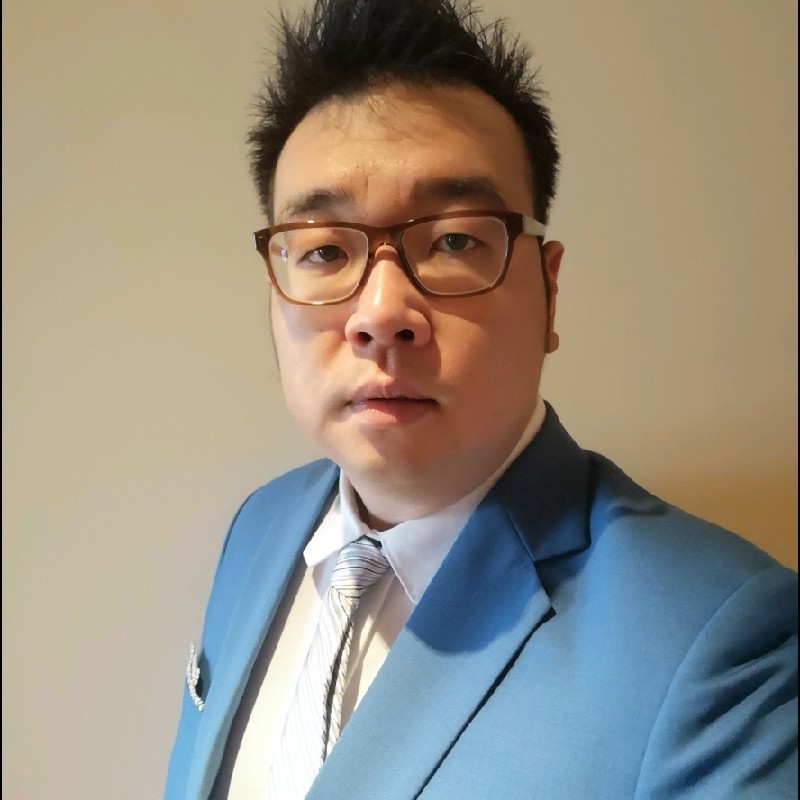
Jeremy Lee is a seasoned digital marketing director and strategist with over two decades of experience in the industry. As the founder of Sotavento Medios, I manage a diverse portfolio of over 50 businesses, helping brands grow through advanced search strategies and digital innovation. My work focuses on bridging the gap between traditional search engine optimisation and the evolving world of AI-driven answer engines.