
In Singapore, a public relations crisis can move from a private issue to a public conversation in minutes. A customer complaint posted on social media, a service disruption at a busy mall, a workplace incident shared in a neighbourhood chat group, or a misstatement from a company spokesperson can spread quickly across WhatsApp, Telegram, TikTok, Instagram, Facebook, LinkedIn, local forums, and the mainstream media ecosystem. Because Singapore is a compact, highly connected city-state, reputational risk often intensifies faster than in larger markets. The first hour matters because public perception starts forming before a company has fully gathered facts, and once that perception hardens, it becomes much harder to correct.
For businesses, institutions, healthcare providers, schools, and community organisations in Singapore, crisis readiness is not just a communications issue. It is part of operational resilience, stakeholder trust, and governance. The organisations that respond well usually do not improvise under pressure. They rely on clear processes, designated decision-makers, factual verification, and disciplined messaging that respects both the audience and the local media environment. In practice, the goal in the first hour is not to solve every problem immediately. The goal is to stop avoidable harm, acknowledge what is known, show that action is underway, and prevent speculation from filling the information gap.
Why the first 60 minutes matter so much in Singapore
The first hour after a crisis is often called the golden window because it is the period when an organisation can still shape the narrative with relative control. After that, online discussion, customer reactions, and media coverage begin to create their own momentum. In Singapore, that momentum can be especially strong because people are highly connected across work, family, and community networks, and because many incidents are discussed in real time across multiple platforms. A single inaccurate post can be forwarded through private chats, screenshotted, and repeated in public forums before the organisation has published any response.
This does not mean every situation requires an immediate full statement. It does mean leadership must respond with speed, discipline, and accuracy. The most damaging mistake is often silence combined with uncertainty. If stakeholders feel the organisation is evasive, defensive, or unprepared, trust weakens quickly. By contrast, a short, honest acknowledgement that sets out what is known, what is being investigated, and when more information will follow can help reduce anxiety and misinformation.
How highly connected local networks amplify risk
Singapore’s communication environment is shaped by close social ties, dense urban living, and near constant mobile connectivity. News can circulate from a tenant to a building management group, from a customer to a neighbourhood chat, and from there to local media or platform-based commentators. The same applies in professional settings, where employees may share internal concerns externally before the organisation has aligned its response.
This interconnectedness creates two pressures. First, factual gaps are quickly filled by assumptions. Second, people often judge the credibility of a response based on tone as much as content. A response that sounds overly corporate, dismissive, or generic may be rejected even if it is technically correct. That is why crisis communication in Singapore must balance efficiency with cultural awareness and a genuine respect for the affected community.
What to do in the first hour
The first hour should follow a structured sequence. The objective is to stabilise the situation, not to release polished messaging that has not been verified. Good crisis management begins with internal coordination, rapid fact gathering, and a careful decision on what can be said immediately. The response should be led by a designated crisis team that includes senior management, communications, legal, operations, and, where relevant, human resources or clinical leadership.
Every minute should be used to reduce uncertainty. The organisation needs to know what happened, who is affected, whether there is any safety issue, whether regulators or authorities need to be informed, and whether operations must be paused. The response should also identify a single source of truth so that staff, front-line teams, and external spokespersons are not giving conflicting messages.
Step 1, verify the facts quickly
Before speaking publicly, confirm the basics. What happened, when did it happen, where did it happen, who is involved, and what immediate risk exists? If the incident involves physical safety, harassment, data exposure, food safety, transport disruption, workplace injury, or a medical issue, the factual threshold for public communication must be especially careful. Inaccurate claims, even if well intentioned, can make the situation worse.
In Singapore, organisations often have access to CCTV footage, digital logs, internal incident reports, and front-line staff accounts. Use these sources fast, but do not assume they are complete. Early information is often partial. Label early findings clearly as preliminary. That protects credibility and avoids the common problem of issuing corrections later because the organisation rushed to sound certain.
Step 2, decide who speaks and through which channels
One of the most important decisions in the first hour is spokesperson control. A single trained spokesperson is usually best, supported by a small decision-making group. This avoids fragmented messaging. If the issue affects customers, post a short holding statement on the relevant channels, for example the company website, verified social media accounts, email updates, or direct in-app notifications. If the matter is serious, consider direct outreach to affected stakeholders before broader public messaging, especially if there is a privacy, safety, or welfare issue.
In Singapore’s media environment, mainstream outlets, online publishers, and social platforms can all influence public perception. A consistent statement should be prepared for each channel, but the core facts must remain aligned. A private response to a customer cannot contradict the public statement. Internal staff should receive guidance at the same time, or slightly before, the external announcement, so they are not caught off guard by public questions.
Step 3, communicate what is known and what happens next
A useful first statement contains four elements, what happened in general terms, what the organisation is doing, what stakeholders should do now, and when the next update will come. Keep it short, direct, and human. Avoid overexplaining before facts are verified. Avoid blaming others too early. Avoid jargon that sounds evasive. If apologies are appropriate, they should be specific to the impact, not theatrical or defensive.
For example, a transport operator dealing with a disruption may need to say that services are delayed, the cause is being investigated, safety checks are underway, and updates will follow within a defined time frame. A retail business handling a social media complaint may need to acknowledge the concern, confirm it is being reviewed, and invite the customer into a direct resolution process. In both cases, clarity beats volume.
Managing the local media and social response
Once the initial response is out, the next challenge is message discipline across media and social channels. In Singapore, a single issue can attract comments from consumers, workers, resident groups, professional networks, and commentators who may not be directly involved but feel entitled to weigh in. The organisation must monitor the conversation without becoming reactive or argumentative. Effective monitoring means identifying recurring concerns, misinformation, influential posts, and questions that need answers.
This stage is where many organisations lose control. They respond to every negative comment individually, which can create more visibility for the issue. Alternatively, they hide behind a corporate statement and fail to show empathy. The better approach is to combine timely public updates with clear, honest engagement on the most important questions. Where appropriate, move detailed case handling offline while keeping the public informed about process and progress.
How to answer questions without creating new risk
Every answer should be checked for three things, accuracy, consistency, and legal or operational risk. If the facts are still unclear, say so. If a review is underway, explain the scope and expected next steps. If the issue affects privacy, safety, or regulated services, avoid speculation. A measured response is not weak. It signals competence.
It is also wise to separate accountability from admission of legal liability, especially in complex cases. That distinction should be handled carefully with legal input, but the public should still hear a genuine expression of concern and commitment to address the issue. People are generally more tolerant of a mistake that is acknowledged early than a problem that is minimised or denied.
Using social platforms effectively
Social media is not just a broadcast tool. It is where stakeholders look for cues about whether an organisation is competent, honest, and responsive. A pinned update, clear timing for the next announcement, and consistent replies can reduce confusion. Avoid deleting legitimate criticism unless it breaches community standards, contains abuse, or reveals private information. Deleting posts without explanation can intensify distrust, especially in tightly connected communities.
In Singapore, screenshots travel quickly and context can be lost. That means every published word should be treated as if it may be forwarded outside the intended audience. A calm, factual, and respectful tone is usually the safest and most effective choice.
Operational readiness for Singapore organisations
Good crisis communication depends on operational preparation long before the incident. Singapore organisations operate in a fast-paced environment where service continuity, regulatory expectations, and public accountability matter. The strongest teams do not rely on a crisis only after it happens. They build playbooks, train spokespersons, and run simulations. That preparation shortens response time and improves judgment under pressure.
Preparedness should include scenario-based plans for issues that are realistic in the local context, such as food safety concerns, workplace injuries, data incidents, customer service breakdowns, facility failures, transport delays, or a public complaint that goes viral. A useful plan includes escalation triggers, internal contact trees, approval workflows, template holding statements, and clear ownership for updates.
Build a crisis team before the crisis
Every organisation should know who has authority to approve a statement, who gathers facts, who speaks publicly, and who monitors the response. The team should practice working under time pressure. If the approval chain is too long, the response will be too slow. If it is too loose, the organisation may publish messages that are inconsistent or incomplete.
For Singapore businesses with front-line operations, such as retail, hospitality, healthcare, education, logistics, and property management, the crisis team should include people who understand the realities on the ground. Front-line staff often know the incident first. If they are trained to escalate promptly and preserve facts, the organisation can respond much faster and more accurately.
Document everything from the start
Accurate record keeping matters. Note the time the incident was identified, the facts confirmed, who made each decision, and what was communicated. This supports continuity, accountability, and later review. It also helps if regulators, insurers, or legal advisers need a clear chronology.
Good documentation is not only for after the event. During the crisis, it prevents confusion about which version of the facts is current. In high pressure settings, teams may forget who approved what. A simple log reduces mistakes and helps maintain message consistency across channels and departments.
After the first hour, trust is earned through action
The first hour matters, but the hours and days after that determine whether public confidence recovers. Stakeholders do not judge organisations only by the first statement. They judge them by whether promised actions happen, whether updates are timely, and whether the organisation learns from the incident. In Singapore, where expectations of professionalism are high, follow-through is essential.
That means the crisis response should move quickly from communication to remediation. If customers were affected, explain what restitution or support is available. If safety is involved, explain what controls have changed. If staff conduct is at issue, describe the review process. If a technical failure occurred, explain what has been fixed and what safeguards are being added. The message should be, in effect, we have heard the concern, we have acted, and we are accountable for the outcome.
When to bring in specialist support
Some situations require external expertise. This may include media advisors, legal counsel, cybersecurity specialists, technical investigators, medical professionals, or regulatory consultants. In healthcare-related issues, for example, public communication must be precise and consistent with clinical facts. If the incident touches on personal data, systems security, or regulated operations, specialist input may be necessary before any detailed public explanation is released.
Specialist support should strengthen the response, not slow it down. The key is to integrate expertise into a clear decision-making framework so the organisation can keep moving without sacrificing accuracy.
For Singapore audiences, the core lesson is straightforward. A crisis spreads fastest where there is uncertainty, silence, or inconsistency. The first hour is your best chance to provide clarity before rumours take over. Organisations that prepare in advance, speak honestly, and act with discipline are far more likely to preserve trust, even when the situation is serious. If you are leading a business, institution, or community organisation, the practical takeaway is to review your crisis plan now, before you need it. Confirm your spokesperson, tighten your approval process, build your contact tree, and make sure your first statement template is ready. When a crisis strikes, speed matters, but so do facts, empathy, and consistency. In a connected place like Singapore, those qualities are often the difference between a short-lived issue and a lasting reputational setback.
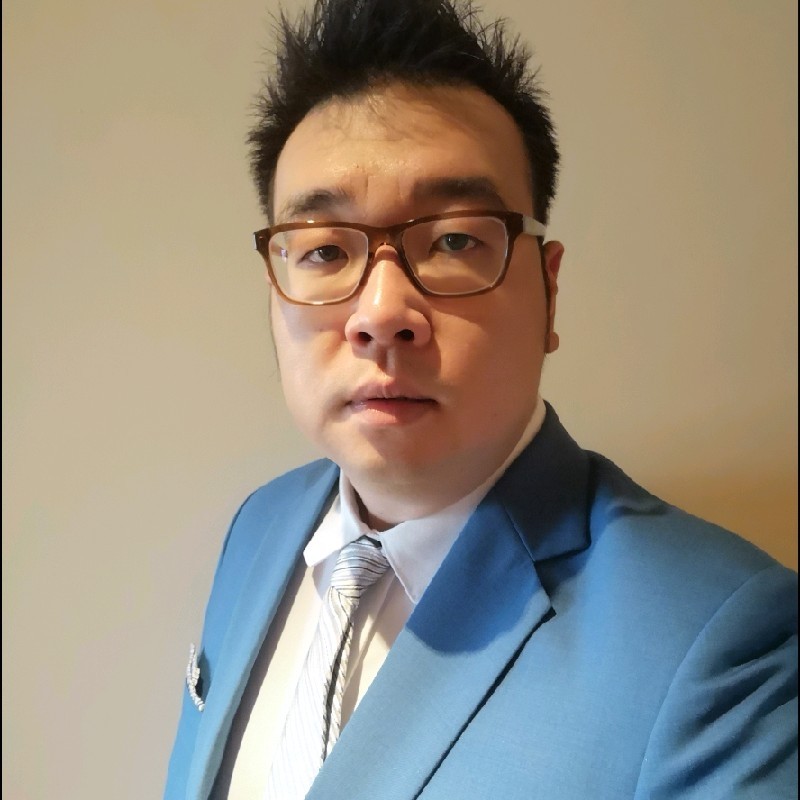
Jeremy Lee is a seasoned digital marketing director and strategist with over two decades of experience in the industry. As the founder of Sotavento Medios, I manage a diverse portfolio of over 50 businesses, helping brands grow through advanced search strategies and digital innovation. My work focuses on bridging the gap between traditional search engine optimisation and the evolving world of AI-driven answer engines.